
Post-Alcohol Fatigue: Understanding Exhaustion After Quitting Drinking
 By
By Regular physical activity is a great way to relieve stress and improve sleep. Activities like yoga, swimming, or even a brisk walk can help you relax and enhance your overall well-being. Consuming alcohol on an empty stomach can lead to quicker absorption and more pronounced effects, including drowsiness. Eating a balanced meal before drinking can slow the absorption of alcohol and reduce its impact on your central nervous system. When you move around while sober, the fluid called endolymph moves, which distorts the shape of the cupula and moves the stereocilia. This process sends electrical signals to the brain regarding movement and balance.
Treatments for Alcohol Use Disorder
- Addressing these deficiencies through hydration and proper nutrition is vital for reducing fatigue, but the process of replenishing these resources can be tiring in itself.
- Naltrexone is a type of medication used to help individuals reduce the amount of alcohol they consume.
- When you stop drinking, your body must suddenly readjust and that takes energy.
- Even one night of drinking can trigger this problem, and repeated episodes can harm your health.
- When you routinely provide your brain with alcohol, it can become the preferred energy source over glucose.
- The various symptoms you may experience are known collectively as alcohol withdrawal.
One of the primary reasons for fatigue during alcohol withdrawal is the disruption of sleep patterns. While alcohol may initially act as a sedative, it interferes with the quality of sleep, particularly REM (rapid eye movement) sleep, which is essential for restoration and recovery. When you stop drinking, your body begins to restore normal sleep cycles, but this process can be uneven and inefficient at first. As a result, you may experience insomnia, vivid dreams, or fragmented sleep, all of which contribute to daytime fatigue. This sleep disruption is a direct consequence of your body adjusting to functioning without alcohol. Severe alcohol withdrawal can be dangerous, and best way to stop drinking medical professionals can help manage your symptoms safely.
What is the relationship between alcohol and sleep quality?

Either way, it’s pretty normal to get sleepy and relaxed when drinking alcohol. You’ll probably begin feeling relaxed and sleepy after a few drinks. Those who have higher alcohol dependence, or higher alcohol tolerance, may require more drinks than normal to begin feeling sleepy. Yes – many people have a drink or two with their friends, and despite everyone else showing high energy – they have to ask themselves, “why does drinking make me tired?”.
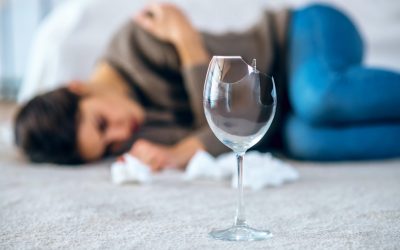
Managing sobriety fatigue
However, that doesn’t mean you just have to endure the extreme fatigue from drinking in the meantime. To manage this sleep disruption, it’s important to establish a consistent sleep routine. This includes going to bed and waking up at the same time every day, even on weekends. Creating a calming bedtime ritual, such as reading or practicing relaxation techniques, can also help signal to your body that it’s time to wind down. Avoiding caffeine and heavy meals close to bedtime can further improve sleep quality. While it may take several weeks for your sleep to normalize, patience and consistency are key.
- Going into withdrawal from alcohol will cause stress, chemical imbalances in your body and anxiety.
- This could include activities like taking a warm bath, practicing deep breathing, trying CBD sleep gummies, or listening to calming music before bed.
- Even if you sleep for many hours, the quality of that sleep is compromised, leaving you feeling fatigued.
Alcohol, despite the temporary spikes in energy and mood it may bring, is, in essence, a depressant. It interrupts normal sleep patterns, often denying you your REM sleep – the restorative phase of your sleep cycle most beneficial for energy renewal and cognitive functions. When you decide to quit, your body craves for the familiar pattern, thereby causing an energy imbalance. This might leave you feeling drained and unenthusiastically lethargic.
Rack of Beer: Beer Packaging Guide & Brands For Larger Beer Quantities
Alcohol consumption overwhelms the liver with toxins, and quitting allows it to finally address this buildup. However, detoxification is a strenuous task that further depletes energy reserves. As the liver processes and eliminates these toxins, it places additional strain on your system, exacerbating feelings of exhaustion. This phase is temporary but necessary for long-term health, and the fatigue you experience is a direct result of your liver’s efforts to cleanse and repair itself. During liver recovery, the organ works to regenerate damaged cells, break down accumulated fats, and restore its Alcoholics Anonymous ability to filter toxins efficiently. This process requires a significant amount of energy, which can leave you feeling drained.
